Ordering corrugated boxes may seem simple, but choosing the wrong packaging can result in damaged products, increased logistics costs, delayed deliveries, customer complaints, and unnecessary expenses. Many businesses focus only on the price per box, overlooking critical technical factors that determine packaging performance.
Whether you are in the FMCG, pharmaceutical, engineering, electronics, chemical, textile, or export industry, selecting the right corrugated packaging is essential for protecting your products and optimizing your supply chain.
At Asian Packaging Industries, we have worked with businesses across multiple industries and have identified several common mistakes companies make when ordering corrugated boxes. Understanding these mistakes can help you save money, improve product safety, and ensure long-term packaging success.
Why Choosing the Right Corrugated Box Matters
A corrugated box is more than just a shipping container.
It directly affects:
- Product safety
- Transportation efficiency
- Warehouse stacking
- Customer satisfaction
- Packaging costs
- Brand reputation
A poorly selected box may cost less initially but often results in much higher costs due to damaged products and logistics issues.
Mistake 1: Buying Based Only on Price
One of the biggest mistakes businesses make is choosing the lowest-priced corrugated box.
Low-cost packaging often uses:
- Lower-quality paper
- Lower Burst Factor
- Inadequate GSM
- Weak board construction
This may lead to:
- Carton failure
- Product damage
- Customer complaints
- Higher replacement costs
Instead of focusing only on price, consider the total cost of ownership, including product protection and transportation efficiency.
Mistake 2: Choosing the Wrong Box Size
Oversized cartons are surprisingly common.
Using boxes that are too large results in:
- Increased paper usage
- Higher freight costs
- Excessive filler material
- Product movement during transit
Boxes that are too small may:
- Crush products
- Make packing difficult
- Increase damage risk
A properly sized box provides better protection while reducing packaging costs.
Mistake 3: Ignoring Product Weight
Every corrugated box has a designed load capacity.
Heavy products require:
- Higher GSM paper
- Stronger Burst Factor
- Better flute combinations
- Higher Box Compression Strength
Ordering lightweight cartons for heavy products often results in box failure during transportation.
Mistake 4: Selecting the Wrong Flute Type
Different flute profiles are designed for different applications.
For example:
B Flute
Ideal for:
- Retail cartons
- FMCG products
- Better printing quality
C Flute
Suitable for:
- Shipping cartons
- Better cushioning
BC Flute
Recommended for:
- Heavy-duty packaging
- Export shipments
- Industrial products
Selecting the wrong flute can reduce packaging performance and increase costs.
Mistake 5: Over-Specifying the Box
Some businesses believe stronger always means better.
They unnecessarily select:
- Higher GSM
- Higher BF
- 7 Ply construction
even when a properly designed 5 Ply carton would perform equally well.
Over-specification increases packaging costs without providing additional value.
Mistake 6: Ignoring Transportation Conditions
Packaging should be selected based on:
- Transportation distance
- Road conditions
- Export shipping
- Warehouse stacking
- Climate
A box designed for local deliveries may not perform well during international shipping.
Mistake 7: Ignoring Moisture Resistance
Humidity significantly affects corrugated packaging.
Without considering moisture conditions, boxes may:
- Lose compression strength
- Collapse during stacking
- Become soft
Businesses shipping products to coastal areas or exporting by sea should choose moisture-resistant packaging and appropriate paper grades.
Mistake 8: Not Performing Quality Testing
Many companies never test their packaging before placing large orders.
Essential tests include:
- GSM Test
- Burst Factor (BF)
- Bursting Strength Test
- Edge Crush Test (ECT)
- Box Compression Test (BCT)
- Cobb Test
- Moisture Content Test
Quality testing ensures packaging performs as expected.
Mistake 9: Forgetting About Printing Requirements
Many companies decide on printing after selecting the box.
However, print quality depends on:
- Board construction
- Flute profile
- Printing technology
- Surface quality
Planning printing requirements early results in better branding and lower production costs.
Mistake 10: Choosing the Wrong Packaging Partner
Not all corrugated box manufacturers provide engineering support.
A good packaging partner should help with:
- Packaging design
- Material selection
- Cost optimization
- Technical testing
- Product trials
- Packaging improvements
Choosing an experienced manufacturer often reduces long-term packaging costs.
Mistake 11: Ignoring Storage Conditions
Even high-quality corrugated boxes can lose strength if stored improperly.
Best practices include:
- Keep cartons in a dry warehouse.
- Avoid direct floor contact.
- Protect from rain and excessive humidity.
- Store away from heat sources.
Proper storage preserves packaging performance.
Mistake 12: Ordering Standard Boxes for Unique Products
Every product has different requirements.
Using standard cartons for:
- Fragile products
- Heavy machinery
- Pharmaceuticals
- Electronics
may increase damage during transportation.
Custom-designed corrugated packaging provides better protection while often reducing overall costs.
Industries That Commonly Face These Challenges
Businesses across many industries encounter these issues.
FMCG
Need lightweight yet durable packaging for high-volume distribution.
Pharmaceuticals
Require accurate dimensions, clear printing, and reliable protection.
Engineering
Need heavy-duty packaging with high compression strength.
Electronics
Require cushioning and custom inserts to prevent movement.
Export Industry
Need moisture-resistant, stackable packaging designed for long-distance shipping.
How to Avoid These Mistakes
Before ordering corrugated boxes, consider:
✔ Product dimensions
✔ Product weight
✔ Transportation method
✔ Storage conditions
✔ Printing requirements
✔ Export or domestic use
✔ Stacking height
✔ Environmental conditions
✔ Quality testing
✔ Long-term packaging costs
Proper planning prevents expensive packaging failures.
How Asian Packaging Industries Helps Customers
At Asian Packaging Industries, every packaging solution begins with a technical evaluation.
Our packaging engineers analyze:
- Product weight
- Product dimensions
- Transportation requirements
- Warehouse conditions
- Export requirements
- Customer specifications
Based on this analysis, we recommend:
- Board construction
- Flute profile
- Paper quality
- Printing method
- Packaging optimization
This engineering approach ensures maximum protection with optimized packaging costs.
Our Quality Assurance Process
Every production batch undergoes comprehensive quality testing.
Our laboratory performs:
- GSM Testing
- Burst Factor Testing
- Bursting Strength Testing
- Edge Crush Test (ECT)
- Box Compression Test (BCT)
- Cobb Test
- Moisture Content Testing
- Pin Adhesion Testing
- Print Quality Inspection
- Final Visual Inspection
These tests ensure every corrugated box meets customer expectations before dispatch.
Expert Tips from Asian Packaging Industries
Our packaging specialists recommend:
✔ Don't buy packaging based only on price.
✔ Choose the correct flute profile for your product.
✔ Test packaging before large production runs.
✔ Optimize box dimensions to reduce logistics costs.
✔ Select a manufacturer with engineering expertise.
✔ Review packaging performance regularly and update specifications when products or logistics change.
Good packaging is an investment—not an expense.
Why Choose Asian Packaging Industries?
At Asian Packaging Industries, we combine decades of experience with advanced manufacturing technology to provide customized corrugated packaging solutions that reduce costs while improving product protection.
Our strengths include:
- Family-owned packaging business with decades of experience
- Six advanced manufacturing units
- Annual turnover of approximately ₹107+ crore
- 250+ skilled workforce supported by experienced technical staff
- Imported Heidelberg 5-Colour + Coater printing technology
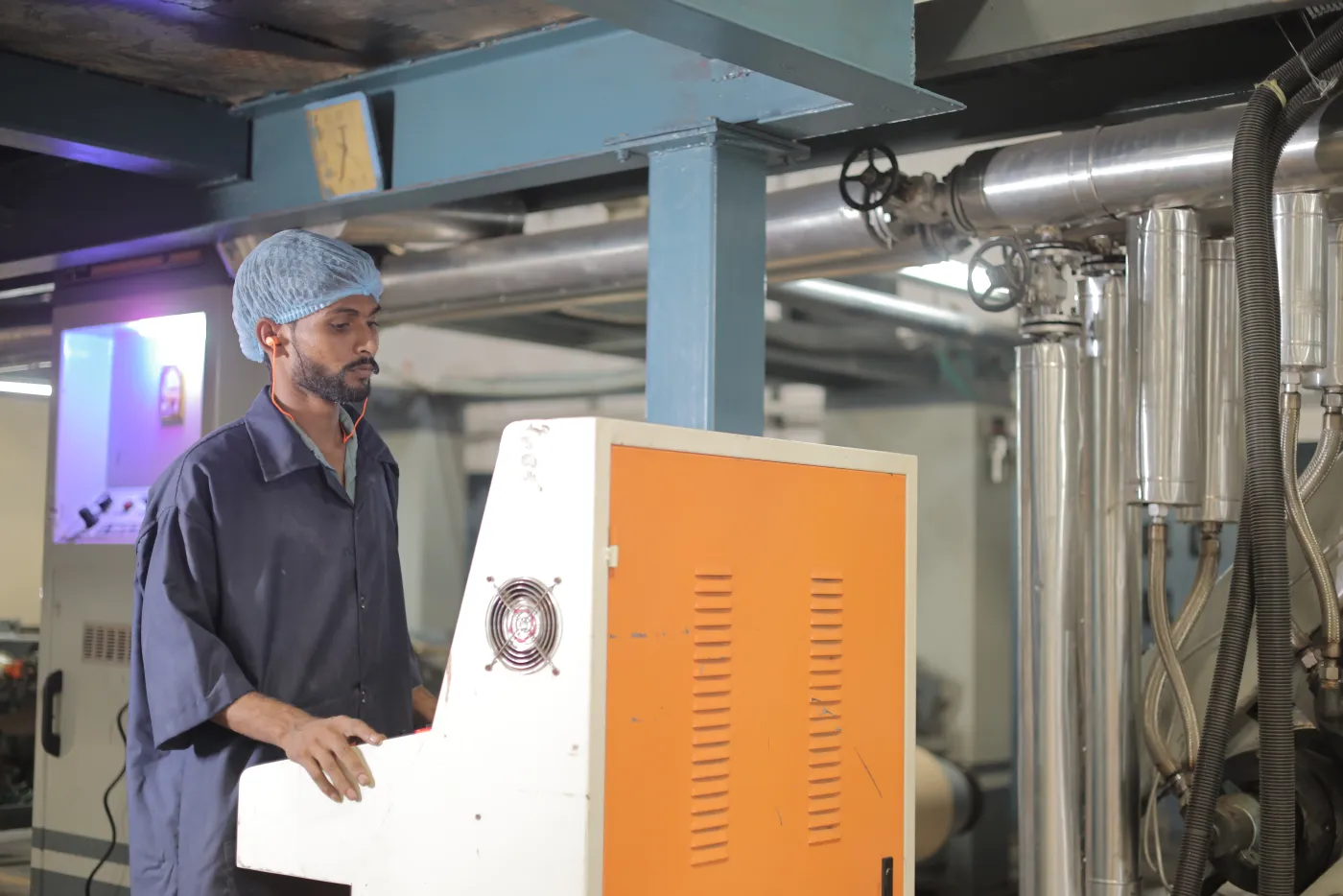
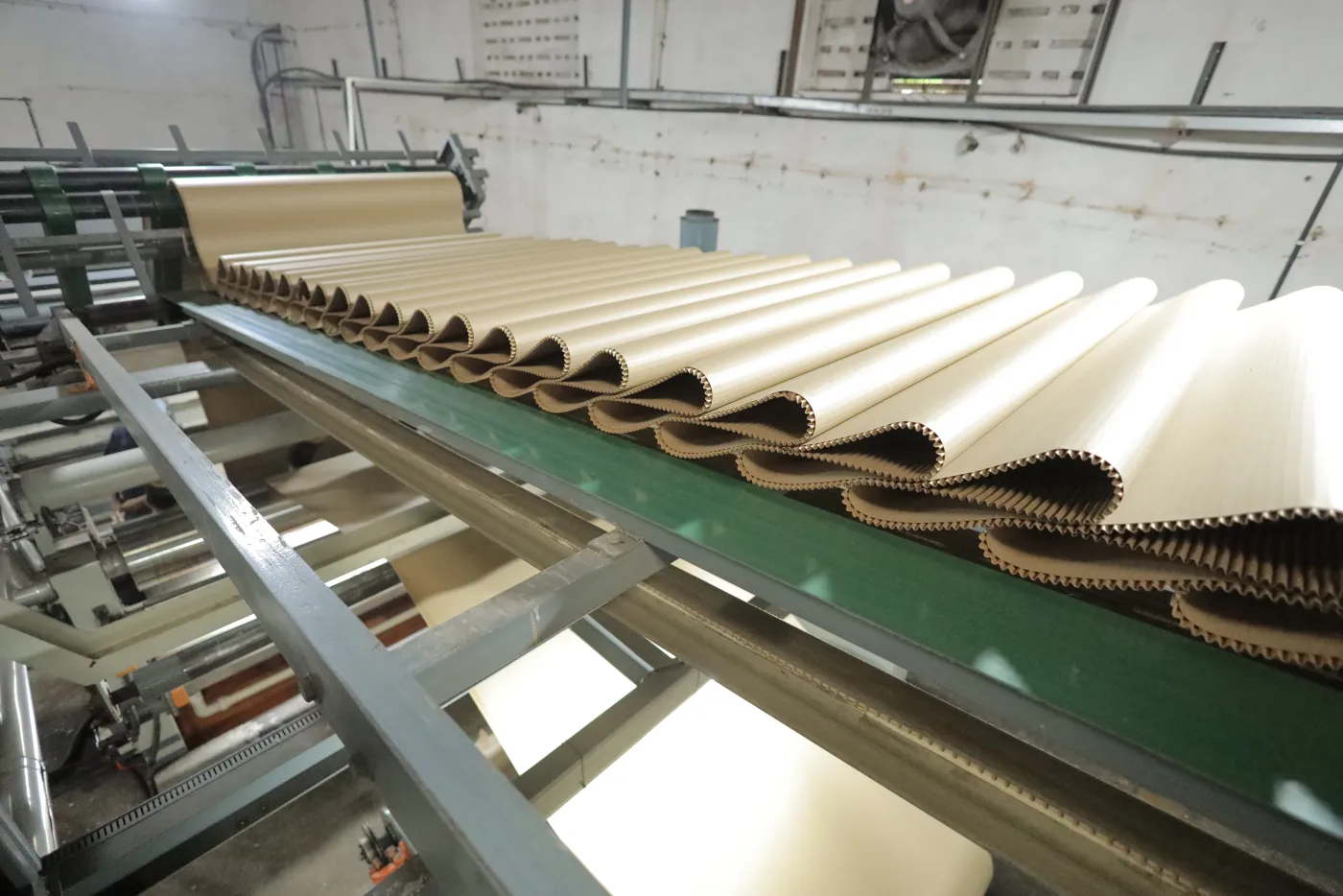
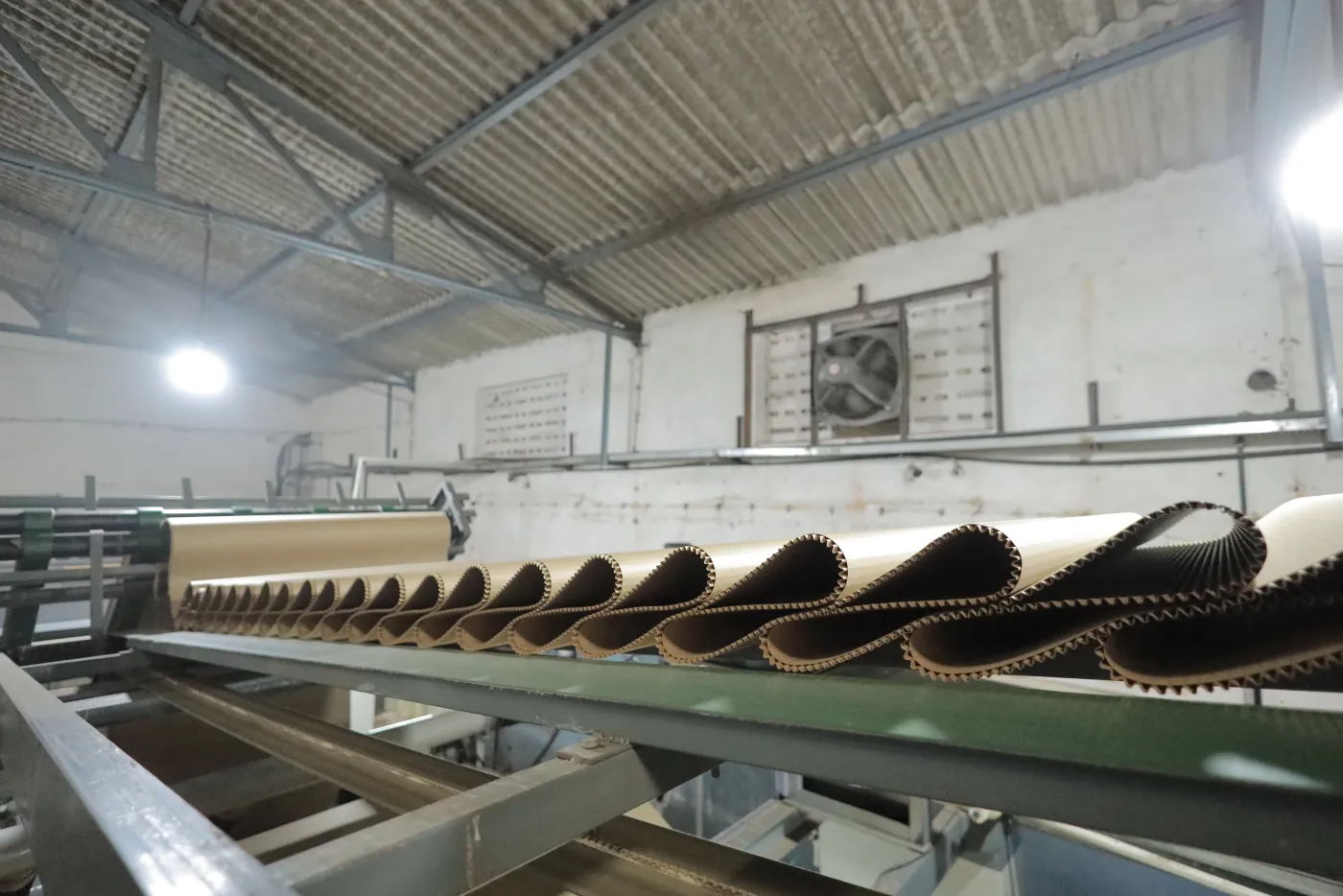
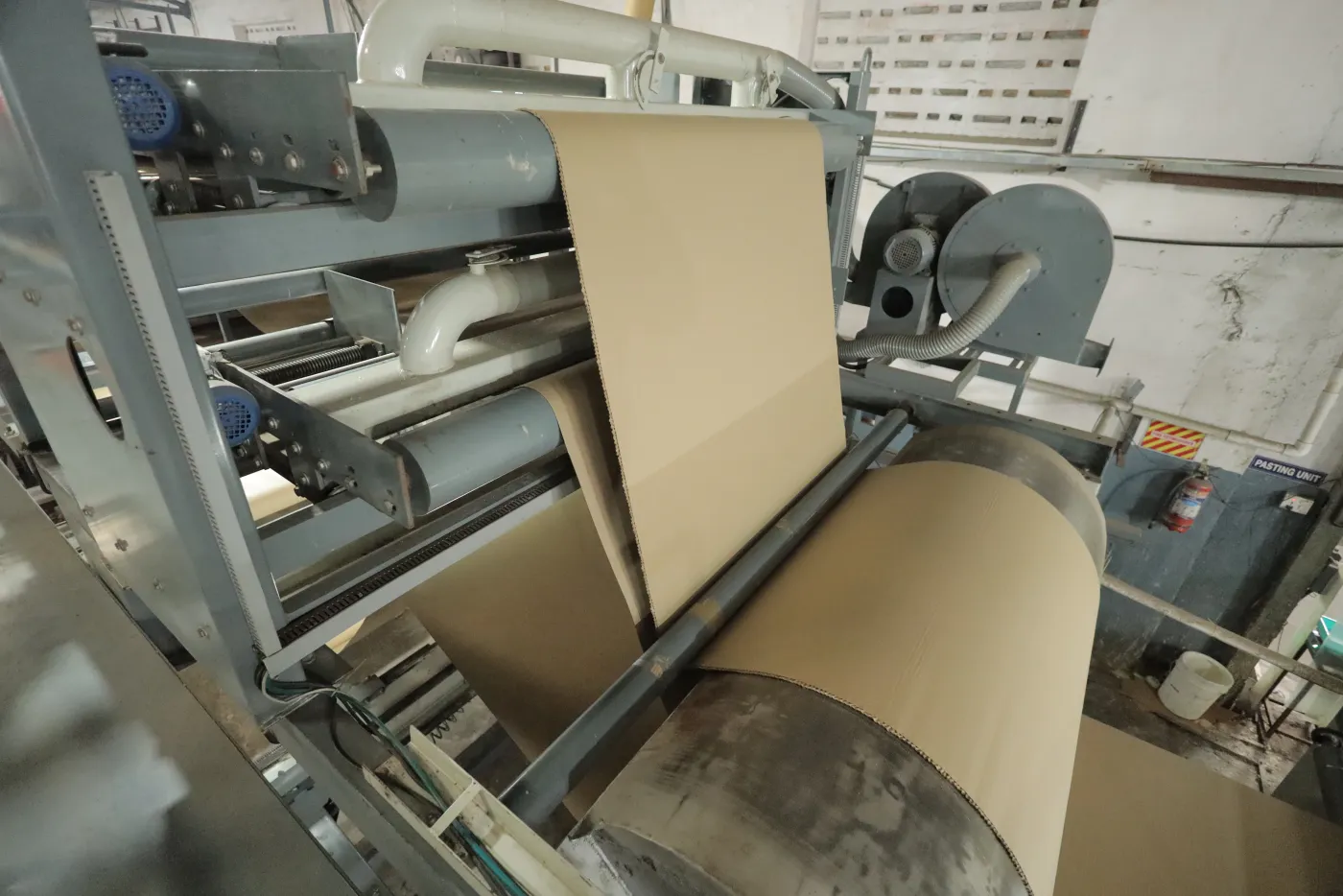
- Automatic corrugation and converting lines
- In-house laboratory for GSM, BF, ECT, BCT, Cobb Test, Moisture Testing, and other quality evaluations
- Customized packaging engineering and design
- Reliable transportation fleet for safe and timely deliveries
Our experienced team works closely with customers to develop packaging solutions that maximize protection, optimize costs, and support long-term business success.
Frequently Asked Questions
What is the most common mistake when ordering corrugated boxes?
The most common mistake is choosing packaging based only on price instead of considering product protection, transportation conditions, and overall packaging performance.
Why is selecting the correct flute type important?
Different flute profiles provide different levels of cushioning, compression strength, and print quality. Selecting the correct flute improves packaging performance while optimizing costs.
Should every business perform packaging tests?
Yes. Tests such as GSM, BF, ECT, BCT, Cobb Test, and Moisture Content help ensure packaging meets the required performance standards.
Is custom packaging better than standard boxes?
In many cases, yes. Custom-designed corrugated packaging provides better product protection, reduces material waste, and lowers transportation costs.
How can Asian Packaging Industries help improve my packaging?
We evaluate your products, logistics, storage conditions, and transportation requirements to design customized corrugated packaging solutions that improve protection, reduce costs, and increase operational efficiency.
Conclusion
Ordering the right corrugated box requires much more than comparing prices. Understanding product requirements, transportation conditions, board construction, flute profiles, quality testing, and packaging design helps businesses avoid costly mistakes while improving product safety and supply chain efficiency.
At Asian Packaging Industries, we combine technical expertise, advanced manufacturing technology, and rigorous quality control to develop customized packaging solutions that meet each customer's unique requirements. Our engineering-driven approach helps businesses reduce packaging failures, optimize costs, strengthen their brand, and ensure reliable product protection from production to final delivery.