Choosing the correct corrugated flute is one of the most important decisions in packaging design. The flute profile directly affects a box's strength, cushioning, print quality, stacking performance, and shipping cost. Selecting the wrong flute can result in damaged products, higher transportation expenses, or unnecessary packaging costs.
Whether you're packaging pharmaceuticals, FMCG products, electronics, automotive parts, engineering components, or export goods, understanding different flute types helps you make informed decisions.
At Asian Packaging Industries, we manufacture customized corrugated packaging using various flute combinations to meet industry-specific requirements. In this guide, we'll explain the characteristics, advantages, and applications of A, B, C, E, F, BC, and EB flutes.
What is a Corrugated Flute?
A corrugated flute is the wave-shaped paper layer placed between the outer and inner linerboards of a corrugated sheet. Although it may appear simple, this fluted structure is what gives corrugated packaging its remarkable strength.
The flute performs several important functions:
- Absorbs shocks during transportation
- Increases stacking strength
- Protects products from impact
- Improves box rigidity
- Supports printing quality
- Reduces overall package weight
Different flute profiles vary in height and the number of flutes per metre. These differences influence cushioning, compression strength, and printability.
Understanding Corrugated Board Structure
A standard corrugated board consists of three components:
- Outer Liner: Provides strength and serves as the printing surface.
- Fluted Medium: Creates cushioning and compression resistance.
- Inner Liner: Reinforces the structure and protects the product.
For double-wall boards like BC and EB, two fluted mediums are combined to provide additional strength.
A Flute
Thickness: Approximately 4.8–5.0 mm
A Flute is one of the thickest single-wall flute profiles and offers excellent cushioning. Because of its larger air pockets, it absorbs shocks effectively and is ideal for fragile products.
Advantages
- Excellent cushioning
- High stacking strength
- Superior shock absorption
- Good compression resistance
- Suitable for delicate products
Common Applications
- Glassware
- Ceramic products
- Furniture
- Heavy engineering components
- Fragile industrial products
Best For
Products that require maximum protection during transportation.
B Flute
Thickness: Approximately 2.5–3.2 mm
B Flute has smaller, closely spaced flutes, making it highly resistant to punctures and crushing. It also provides a smoother surface for printing.
Advantages
- High puncture resistance
- Better crush resistance
- Compact packaging
- Good print surface
- Excellent die-cutting performance
Common Applications
- Food packaging
- Pharmaceutical cartons
- Cosmetics
- Retail products
- Beverage packaging
Best For
Retail packaging requiring durability and an attractive appearance.
C Flute
Thickness: Approximately 3.5–4.0 mm
C Flute is the most widely used flute profile worldwide because it offers an excellent balance between cushioning and compression strength.
Advantages
- Balanced performance
- High stacking strength
- Good cushioning
- Cost-effective
- Suitable for multiple industries
Common Applications
- Shipping cartons
- E-commerce packaging
- Consumer goods
- Industrial packaging
- Warehouse storage
Best For
General-purpose corrugated boxes used in transportation and logistics.
E Flute
Thickness: Approximately 1.5–2.0 mm
E Flute is a micro flute designed for high-quality printing and attractive retail packaging. Its thin profile reduces storage space while providing sufficient strength for lightweight products.
Advantages
- Excellent print quality
- Lightweight construction
- Premium appearance
- Material-efficient
- Easy die-cutting
Common Applications
- Electronics
- Cosmetics
- Mobile accessories
- Pharmaceutical packaging
- Gift boxes
Best For
Premium retail packaging where branding and presentation are important.
F Flute
Thickness: Approximately 0.8–1.0 mm
F Flute is one of the thinnest corrugated flute profiles available. It offers an elegant finish while maintaining adequate rigidity for lightweight products.
Advantages
- Ultra-thin profile
- Superior print finish
- Lightweight
- Reduced material consumption
- Premium look
Common Applications
- Luxury packaging
- Jewellery boxes
- High-end cosmetics
- Premium electronics
- Small retail products
Best For
Luxury packaging and products that require excellent presentation.
BC Flute
Thickness: Approximately 6–7 mm
BC Flute combines the strengths of B Flute and C Flute into a double-wall board. This combination provides exceptional compression strength and cushioning, making it ideal for heavy-duty packaging.
Advantages
- Excellent stacking strength
- Superior cushioning
- High compression resistance
- Outstanding durability
- Better protection for heavy products
Common Applications
- Heavy machinery
- Automotive components
- Engineering products
- Chemical packaging
- Export cartons
- Industrial equipment
Best For
Heavy-duty industrial and export packaging.
EB Flute
Thickness: Approximately 4–5 mm
EB Flute combines the printing quality of E Flute with the structural strength of B Flute. It is commonly used for premium retail packaging that also requires durability.
Advantages
- Premium print quality
- Higher strength than E Flute
- Attractive appearance
- Good stacking performance
- Better product protection
Common Applications
- Consumer electronics
- Premium gift boxes
- Branded retail packaging
- Appliances
- High-value products
Best For
Premium printed packaging requiring additional strength.
Corrugated Flute Comparison Table
| Flute Type | Approx. Thickness | Cushioning | Strength | Print Quality | Best Applications |
|---|---|---|---|---|---|
| A Flute | 4.8–5.0 mm | ⭐⭐⭐⭐⭐ | ⭐⭐⭐⭐ | ⭐⭐⭐ | Glass, ceramics, fragile goods |
| B Flute | 2.5–3.2 mm | ⭐⭐⭐ | ⭐⭐⭐⭐ | ⭐⭐⭐⭐⭐ | Food, pharmaceuticals, cosmetics |
| C Flute | 3.5–4.0 mm | ⭐⭐⭐⭐ | ⭐⭐⭐⭐⭐ | ⭐⭐⭐⭐ | Shipping cartons, e-commerce |
| E Flute | 1.5–2.0 mm | ⭐⭐ | ⭐⭐⭐ | ⭐⭐⭐⭐⭐ | Retail & printed packaging |
| F Flute | 0.8–1.0 mm | ⭐ | ⭐⭐ | ⭐⭐⭐⭐⭐ | Luxury packaging |
| BC Flute | 6–7 mm | ⭐⭐⭐⭐⭐ | ⭐⭐⭐⭐⭐ | ⭐⭐⭐ | Export & heavy-duty packaging |
| EB Flute | 4–5 mm | ⭐⭐⭐ | ⭐⭐⭐⭐ | ⭐⭐⭐⭐⭐ | Premium retail boxes |
Which Corrugated Flute Should You Choose?
The ideal flute depends on your product, logistics, and branding goals.
Choose A Flute if:
- You need maximum cushioning for fragile items.
Choose B Flute if:
- You require good puncture resistance and a compact box.
Choose C Flute if:
- You need a versatile, all-purpose shipping carton.
Choose E Flute if:
- High-quality printing and retail presentation are priorities.
Choose F Flute if:
- You're designing luxury packaging for lightweight products.
Choose BC Flute if:
- You're shipping heavy industrial or export products.
Choose EB Flute if:
- You want premium graphics combined with extra strength.
Common Mistakes When Selecting a Flute
Many businesses focus only on the product weight, overlooking other important factors. Avoid these common mistakes:
- Selecting a thicker flute when premium printing is required
- Choosing a thin flute for heavy export shipments
- Ignoring warehouse stacking height
- Using a standard flute without considering transportation conditions
- Over-specifying the board, which increases packaging costs unnecessarily
Consulting with an experienced packaging manufacturer ensures the flute profile matches your product and supply chain.
Why Choose Asian Packaging Industries?
At Asian Packaging Industries, we understand that every product has unique packaging requirements. Our technical team helps customers select the right flute profile, board construction, and box design based on product characteristics and logistics.
We offer:
- Customized corrugated packaging solutions
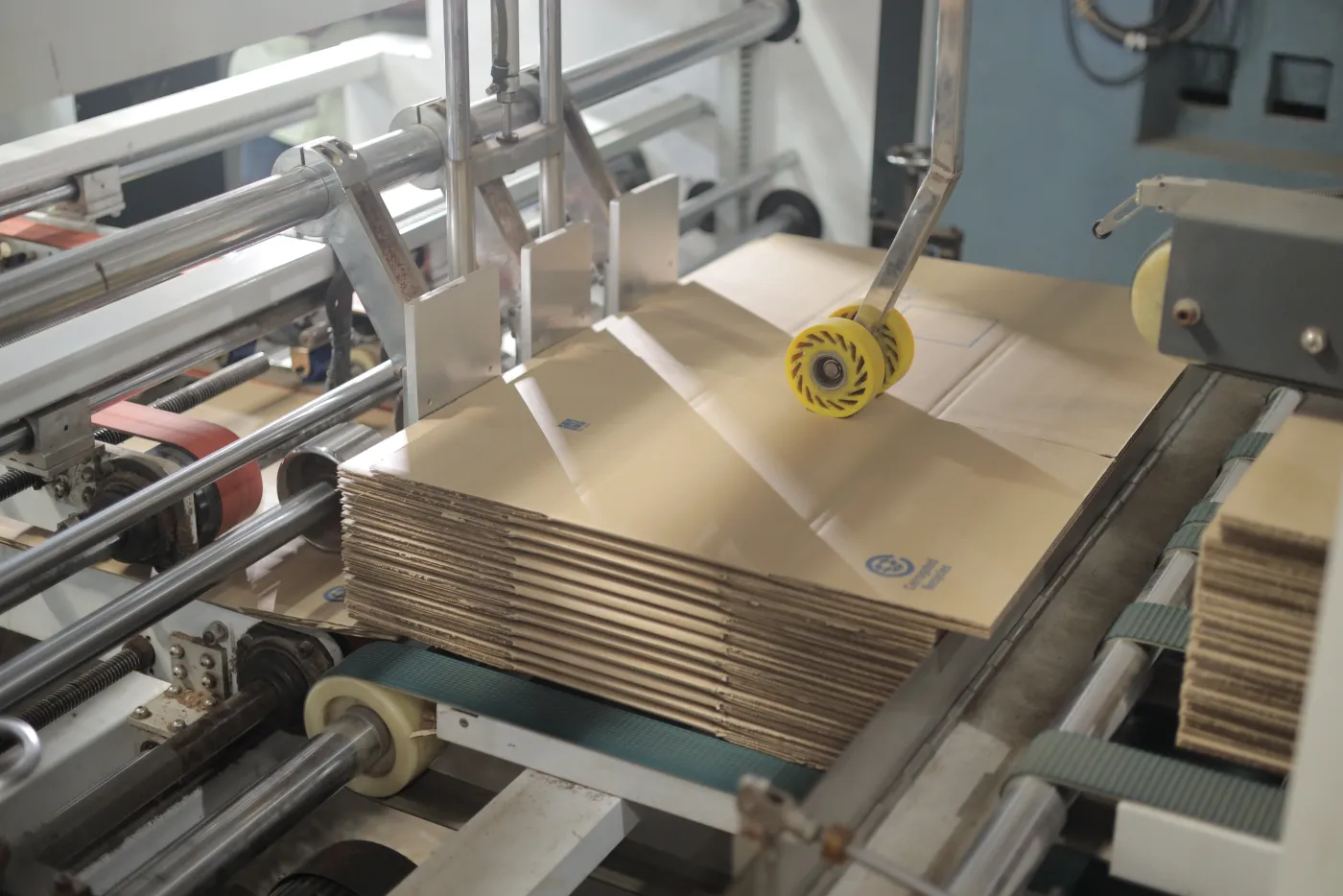
- Advanced automatic manufacturing facilities
- Imported Heidelberg 5-Colour + Coater printing
- High-quality kraft paper and board construction
- In-house quality testing
- Packaging support for FMCG, pharmaceuticals, engineering, automotive, textiles, chemicals, and export industries
- Reliable nationwide supply and timely deliveries
Whether you need lightweight retail cartons or heavy-duty export packaging, we provide solutions that combine protection, performance, and cost efficiency.
Frequently Asked Questions
Which flute is the strongest?
BC Flute is one of the strongest and most commonly used double-wall flute combinations for heavy-duty and export packaging.
Which flute is best for printing?
E Flute and EB Flute provide the smoothest surfaces for high-quality offset printing.
Which flute is used most often?
C Flute is the most widely used because it offers an excellent balance of strength, cushioning, and cost.
Is BC Flute better than C Flute?
Yes. BC Flute provides significantly higher compression strength and durability, making it suitable for heavier products and export shipments.
Can different flute types be customized?
Absolutely. Packaging manufacturers can recommend and customize flute profiles based on product weight, dimensions, transportation conditions, and branding requirements.
Conclusion
The flute profile is one of the most important factors influencing the performance of a corrugated box. From the excellent cushioning of A Flute to the heavy-duty strength of BC Flute and the premium printability of E and EB Flutes, each profile serves a specific purpose.
Choosing the right flute helps reduce product damage, optimize packaging costs, improve warehouse performance, and enhance your brand's presentation. At Asian Packaging Industries, our experienced packaging specialists work closely with customers to develop corrugated packaging solutions that meet the highest standards of quality, strength, and efficiency.