Packaging is no longer just about protecting products—it is also a powerful branding tool. Today's businesses want packaging that not only ensures product safety but also enhances brand recognition, improves shelf appeal, and creates a memorable customer experience.
When choosing printed corrugated boxes, two of the most popular printing methods are Flexographic Printing and Offset Printing. Both technologies offer unique advantages, but selecting the right one depends on your product, budget, print quality requirements, and production volume.
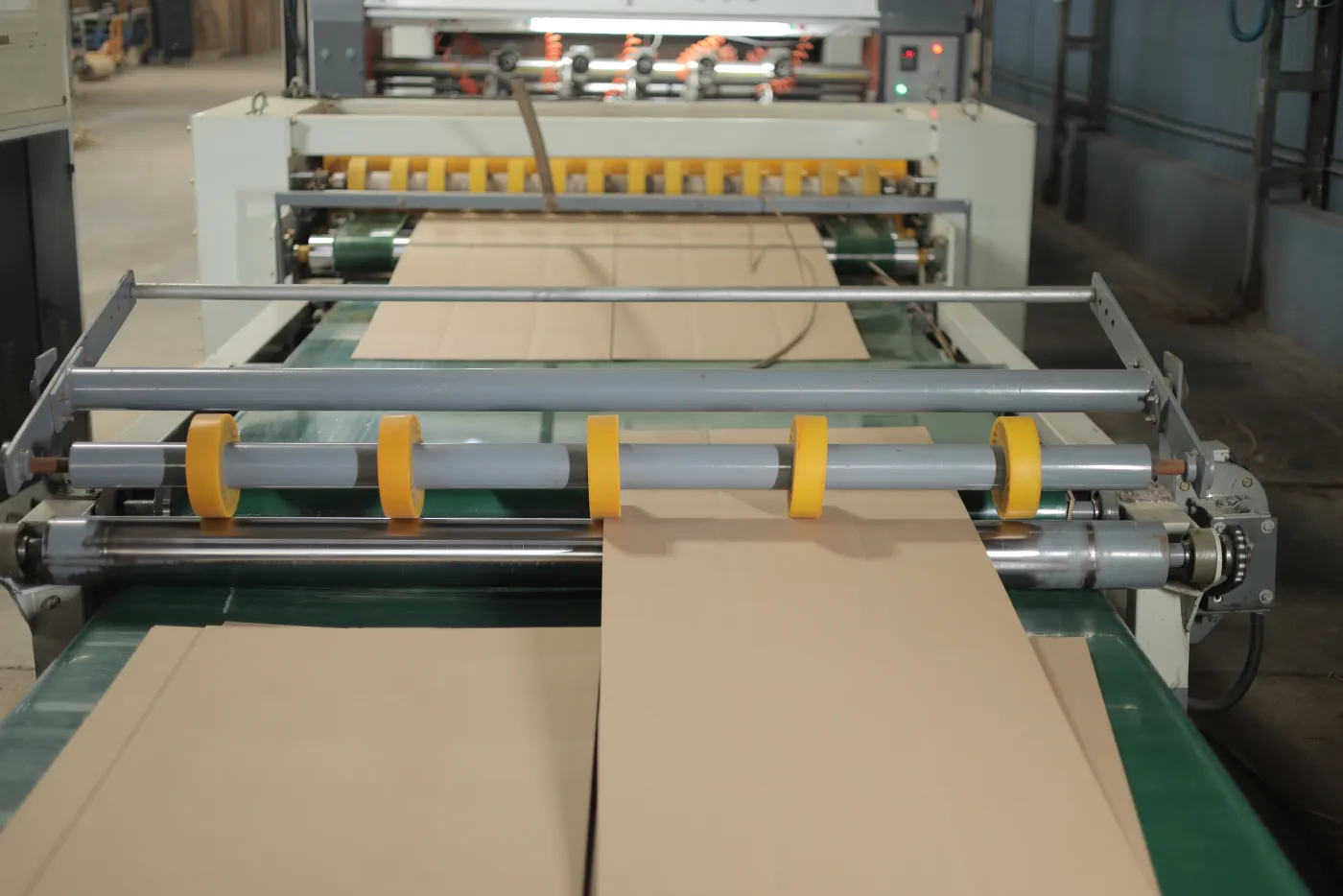
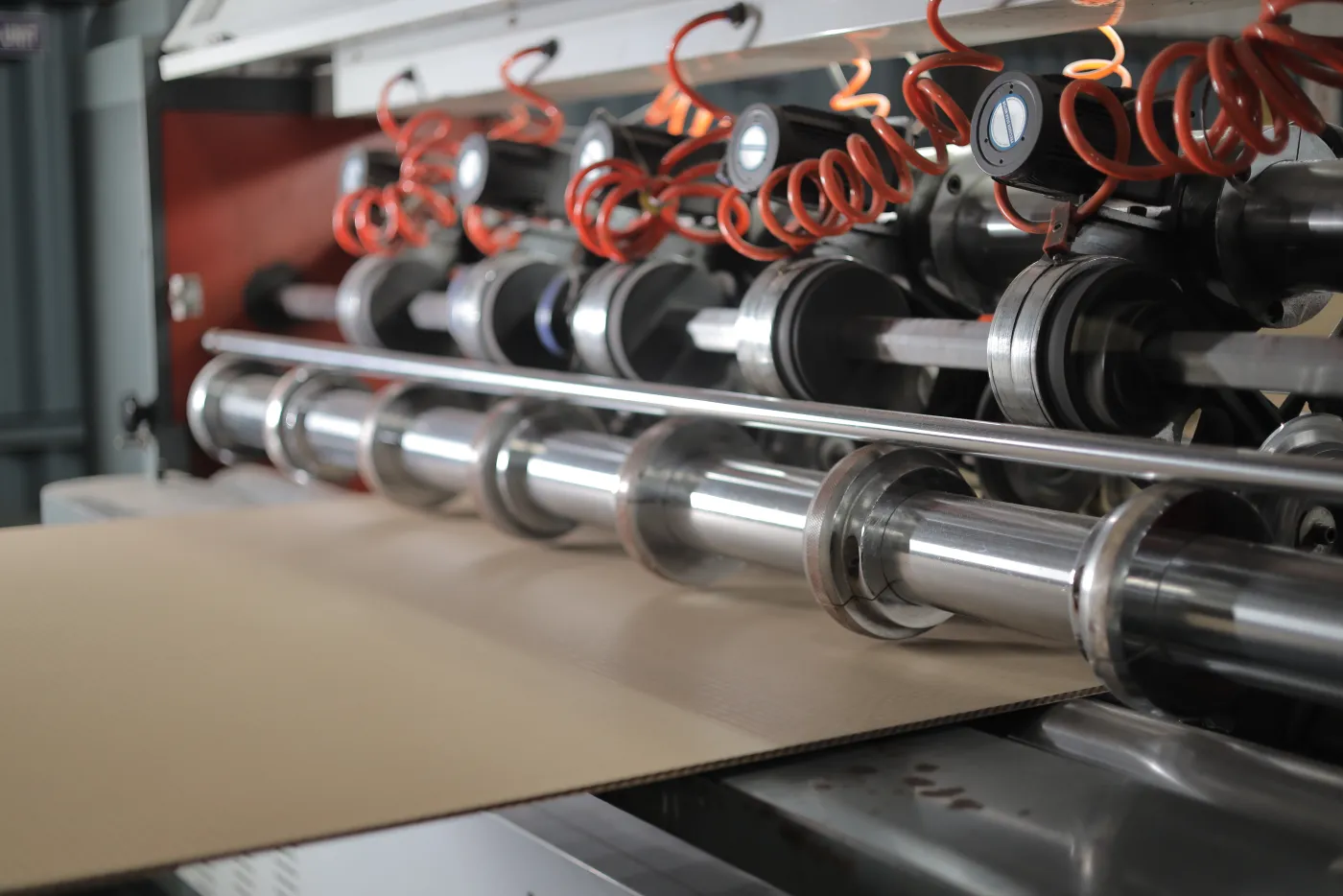
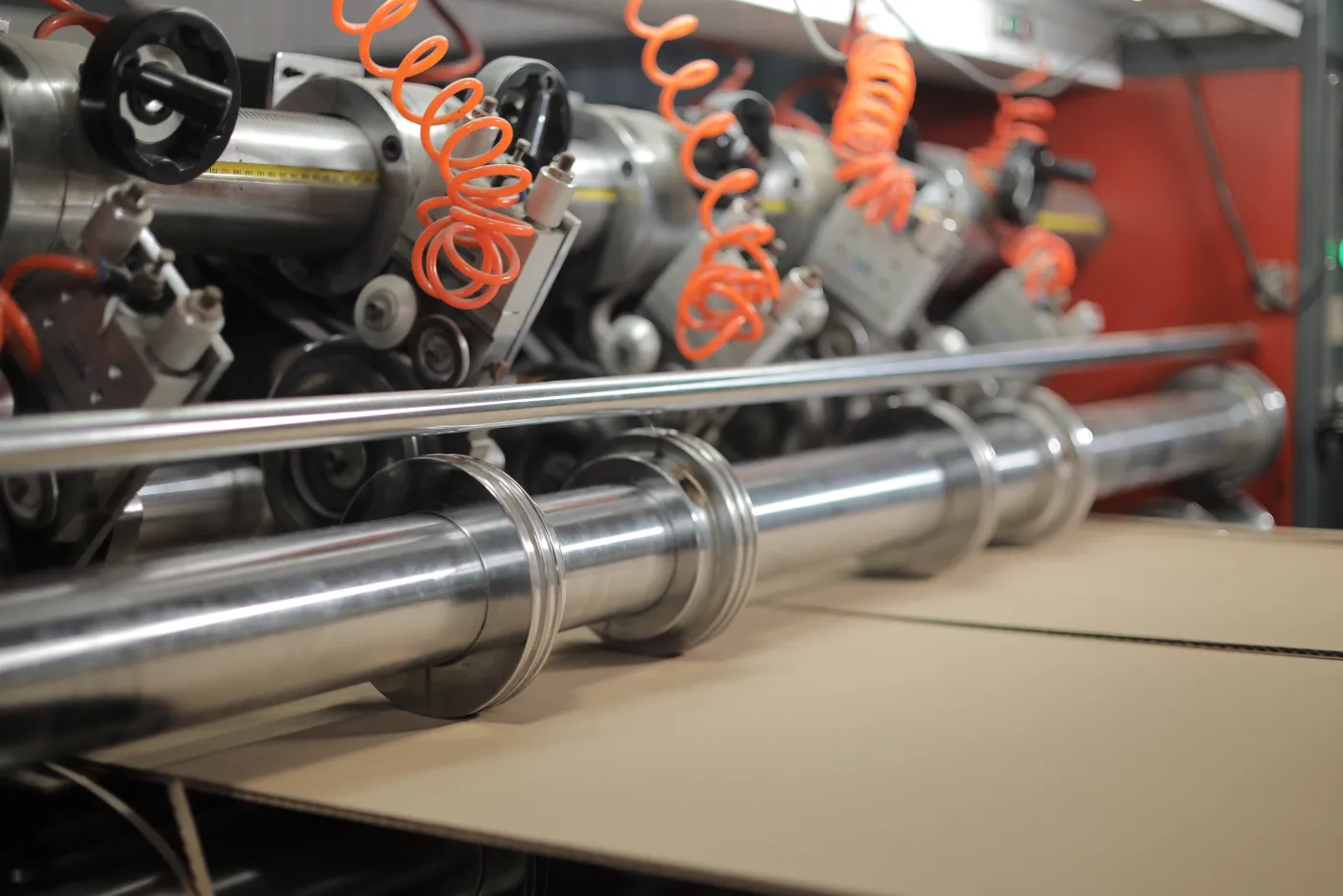
At Asian Packaging Industries, we offer advanced printing solutions using imported Heidelberg 5-Colour + Coater technology along with high-quality flexographic printing to deliver customized packaging solutions for industries including FMCG, pharmaceuticals, engineering, chemicals, electronics, and export businesses.
This guide explains the differences between flexographic and offset printing so you can make an informed decision.
What is Flexographic Printing?
Flexographic printing, commonly known as Flexo Printing, is one of the most widely used printing methods for corrugated boxes.
It uses flexible photopolymer printing plates mounted on rotating cylinders to transfer ink directly onto corrugated board.
Flexographic printing is especially suitable for:
- Shipping cartons
- Industrial packaging
- FMCG cartons
- Corrugated transport boxes
- High-volume production
Because it prints directly onto the corrugated sheet, it offers fast production and economical printing.
How Flexographic Printing Works
The flexographic printing process involves:
- Artwork preparation
- Photopolymer plate manufacturing
- Ink transfer using anilox rollers
- Direct printing on corrugated board
- Drying and finishing
This process is highly automated and capable of printing thousands of cartons per hour.
Advantages of Flexographic Printing
Cost-Effective for Large Quantities
One of Flexo printing's biggest advantages is its low cost for bulk production.
The higher the production quantity, the lower the printing cost per box.
Fast Production Speed
Flexographic printing machines operate at very high speeds.
This makes them ideal for:
- FMCG
- Industrial packaging
- Large export orders
- High-volume manufacturing
Direct Printing on Corrugated Board
Unlike offset printing, Flexo prints directly onto the corrugated sheet.
This reduces production time.
Durable Printing
Flexographic inks provide excellent resistance against:
- Scratching
- Handling
- Transportation
This makes them ideal for shipping cartons.
Suitable for Simple Branding
Flexographic printing is perfect for:
- Company logos
- Product names
- Handling instructions
- Shipping marks
- Barcodes
Limitations of Flexographic Printing
Although highly efficient, Flexo has some limitations.
It is less suitable for:
- High-resolution photographs
- Fine colour gradients
- Luxury packaging
- Premium retail cartons
Print quality is generally lower than offset printing.
What is Offset Printing?
Offset printing is the preferred choice for premium-quality printed packaging.
Instead of printing directly on corrugated board, offset printing first prints on paper, which is then laminated onto the corrugated board.
This process delivers exceptional print quality and vibrant colours.
Offset printing is widely used for:
- Premium packaging
- Retail cartons
- Cosmetics
- Electronics
- Luxury products
- Gift packaging
How Offset Printing Works
The offset process includes:
- Artwork preparation
- Printing on coated paper
- Colour registration
- Lamination onto corrugated board
- Die-cutting and finishing
The result is a high-quality printed surface with sharp graphics and excellent colour consistency.
Advantages of Offset Printing
Superior Print Quality
Offset printing delivers:
- High-resolution graphics
- Sharp images
- Fine text
- Smooth colour gradients
This makes products more attractive on retail shelves.
Excellent Colour Accuracy
Offset printing provides:
- Consistent colours
- Better brand matching
- Premium appearance
It is ideal for companies with strict branding guidelines.
Premium Brand Image
Luxury brands often choose offset printing because it creates a sophisticated and professional appearance.
Better Retail Shelf Appeal
Offset printing attracts customer attention through:
- Bright colours
- Premium graphics
- High-definition printing
This improves purchasing decisions in retail environments.
Advanced Finishing Options
Offset printed packaging supports:
- UV coating
- Matte lamination
- Gloss lamination
- Spot UV
- Embossing
- Foil stamping
These finishing techniques create premium packaging experiences.
Limitations of Offset Printing
Offset printing generally costs more than Flexographic printing.
It may not be the most economical choice for:
- Large shipping cartons
- Industrial packaging
- Very high-volume transport boxes
The additional lamination process also increases production time.
Flexographic vs Offset Printing – Side-by-SSide Comparison
| Feature | Flexographic Printing | Offset Printing |
|---|---|---|
| Print Quality | Good | Excellent |
| Image Resolution | Moderate | High |
| Colour Accuracy | Good | Excellent |
| Production Speed | Very Fast | Moderate |
| Cost for Large Volumes | Lower | Higher |
| Cost for Premium Packaging | Moderate | Worthwhile for premium brands |
| Printing Surface | Direct on corrugated board | Printed paper laminated to board |
| Best For | Shipping cartons, industrial packaging | Retail, cosmetics, electronics, luxury packaging |
| Durability | Excellent | Excellent |
| Branding Impact | Good | Outstanding |
Which Printing Method Should You Choose?
The right choice depends on your business goals.
Choose Flexographic Printing If:
- You manufacture high-volume cartons.
- You need economical printing.
- The design is simple.
- Shipping cartons are the primary application.
- Speed is important.
Typical industries:
- FMCG
- Chemicals
- Engineering
- Export packaging
- Industrial products
Choose Offset Printing If:
- Premium packaging is required.
- Brand appearance is a priority.
- Products are displayed in retail stores.
- High-quality graphics are essential.
- Luxury presentation is important.
Typical industries:
- Cosmetics
- Pharmaceuticals
- Electronics
- Premium food packaging
- Gift packaging
Industries Using Flexographic Printing
Flexographic printing is widely used for:
- Corrugated shipping cartons
- Industrial packaging
- Agricultural products
- Export packaging
- Automotive parts
- FMCG transportation cartons
Industries Using Offset Printing
Offset printing is preferred for:
- Cosmetic products
- Mobile accessories
- Consumer electronics
- Premium food packaging
- Pharmaceutical cartons
- Luxury retail products
How Asian Packaging Industries Helps Customers Choose
At Asian Packaging Industries, we understand that every customer has different packaging requirements.
Before recommending a printing method, we evaluate:
- Product type
- Packaging application
- Production quantity
- Branding requirements
- Budget
- Transportation conditions
This ensures customers receive the most cost-effective and visually appealing packaging solution.
Our Printing & Quality Assurance Process
Every printed corrugated box undergoes rigorous quality inspection.
Our quality checks include:
- Colour consistency
- Print registration
- Ink adhesion
- Barcode readability
- GSM Test
- Burst Factor Test
- Edge Crush Test (ECT)
- Box Compression Test (BCT)
- Cobb Test
- Final Visual Inspection
This ensures that every printed box delivers both outstanding appearance and reliable protection.
Expert Tips from Asian Packaging Industries
Our printing specialists recommend:
✔ Use Flexographic Printing for bulk shipping cartons and industrial packaging.
✔ Choose Offset Printing for premium retail packaging.
✔ Maintain consistent brand colours across all packaging.
✔ Include QR codes and product information for improved customer engagement.
✔ Select the right flute profile to support printing quality.
✔ Combine attractive packaging with strong corrugated board construction.
Why Choose Asian Packaging Industries?
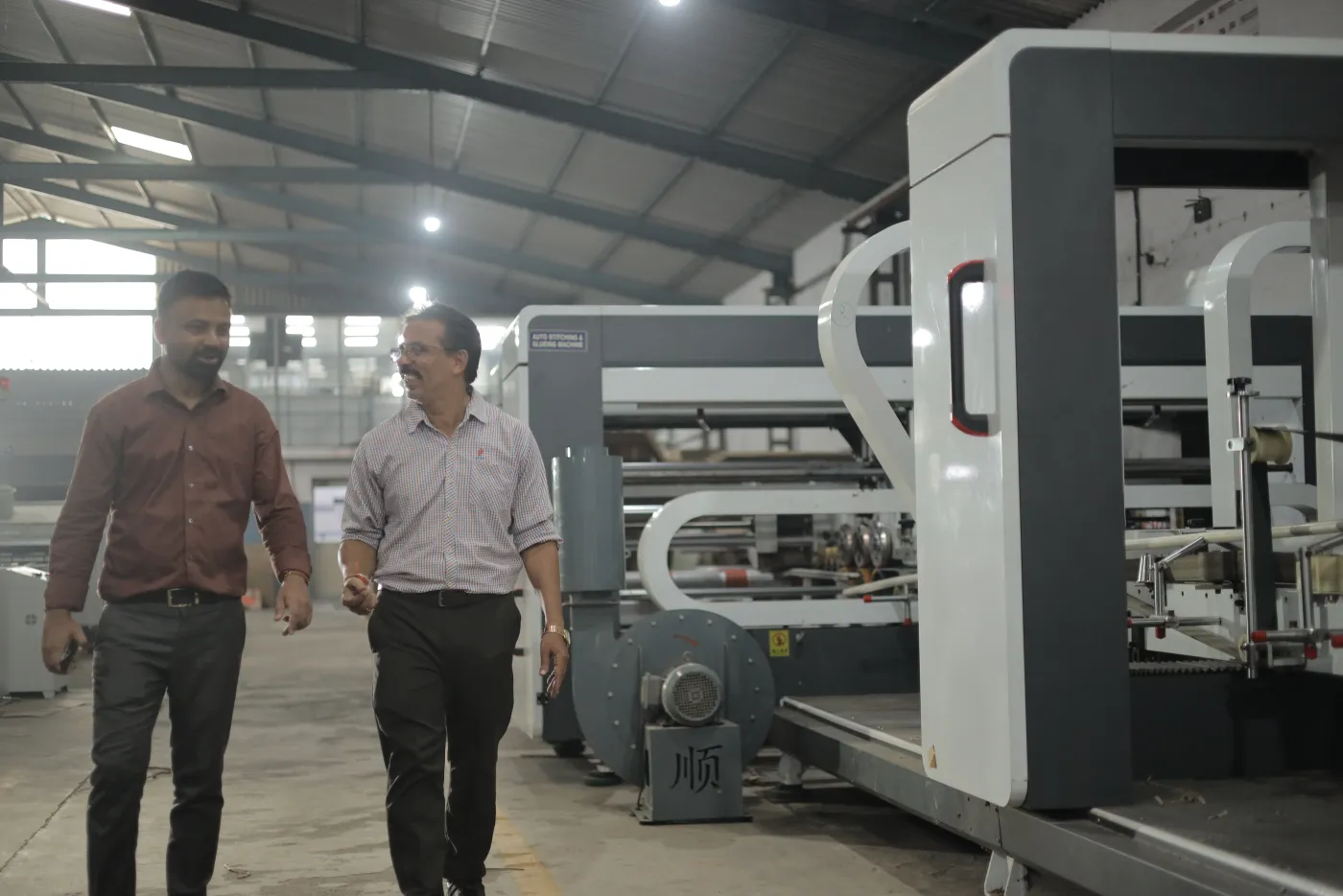
At Asian Packaging Industries, we combine modern printing technology with advanced corrugated packaging manufacturing to deliver packaging that protects products while strengthening your brand.
Our strengths include:
- Family-owned packaging business with decades of experience
- Six advanced manufacturing units
- Annual turnover of approximately ₹107+ crore
- 250+ skilled workforce supported by experienced technical staff
- Imported Heidelberg 5-Colour + Coater printing technology
- Advanced Flexographic Printing capabilities
- Automatic corrugation and converting lines
- In-house laboratory for GSM, BF, ECT, BCT, Cobb Test, Moisture Testing, and other quality evaluations
- Customized printed packaging solutions
- Reliable transportation fleet for safe and timely deliveries
Our experienced team helps customers choose the ideal printing technology to balance quality, cost, and production efficiency.
Frequently Asked Questions
Which printing method is better for corrugated boxes?
It depends on your requirements. Flexographic printing is ideal for high-volume shipping cartons, while Offset printing is better for premium retail packaging with high-quality graphics.
Is Offset printing more expensive than Flexographic printing?
Yes. Offset printing generally has a higher production cost because it involves printing on paper followed by lamination, but it delivers superior visual quality.
Which printing method is best for FMCG packaging?
Both methods are used. Flexographic printing is suitable for transport cartons, while Offset printing is preferred for premium retail packaging.
Can Offset printing be used on corrugated boxes?
Yes. Offset printing is commonly used for corrugated packaging by printing on coated paper and laminating it onto the corrugated board.
Which industries commonly use Flexographic printing?
Industries such as FMCG, chemicals, engineering, agriculture, automotive, and export businesses widely use Flexographic printing for cost-effective, high-volume packaging.
Conclusion
Both Flexographic and Offset Printing play an essential role in modern corrugated packaging. Flexographic printing offers speed, durability, and cost efficiency for large-scale industrial and shipping applications, while Offset printing provides premium-quality graphics, vibrant colours, and exceptional shelf appeal for retail packaging.
At Asian Packaging Industries, we offer both advanced Flexographic and imported Heidelberg 5-Colour + Coater Offset Printing solutions, allowing businesses to choose the ideal printing method based on their product, brand image, production volume, and budget. By combining world-class printing technology with high-quality corrugated manufacturing and rigorous quality control, we help our customers create packaging that not only protects their products but also elevates their brand in today's competitive marketplace.